Tomo and Hard Launch: How to Launch Out of Stealth and Bet On Your Friends
A behind-the-scenes week with the Tomo launch
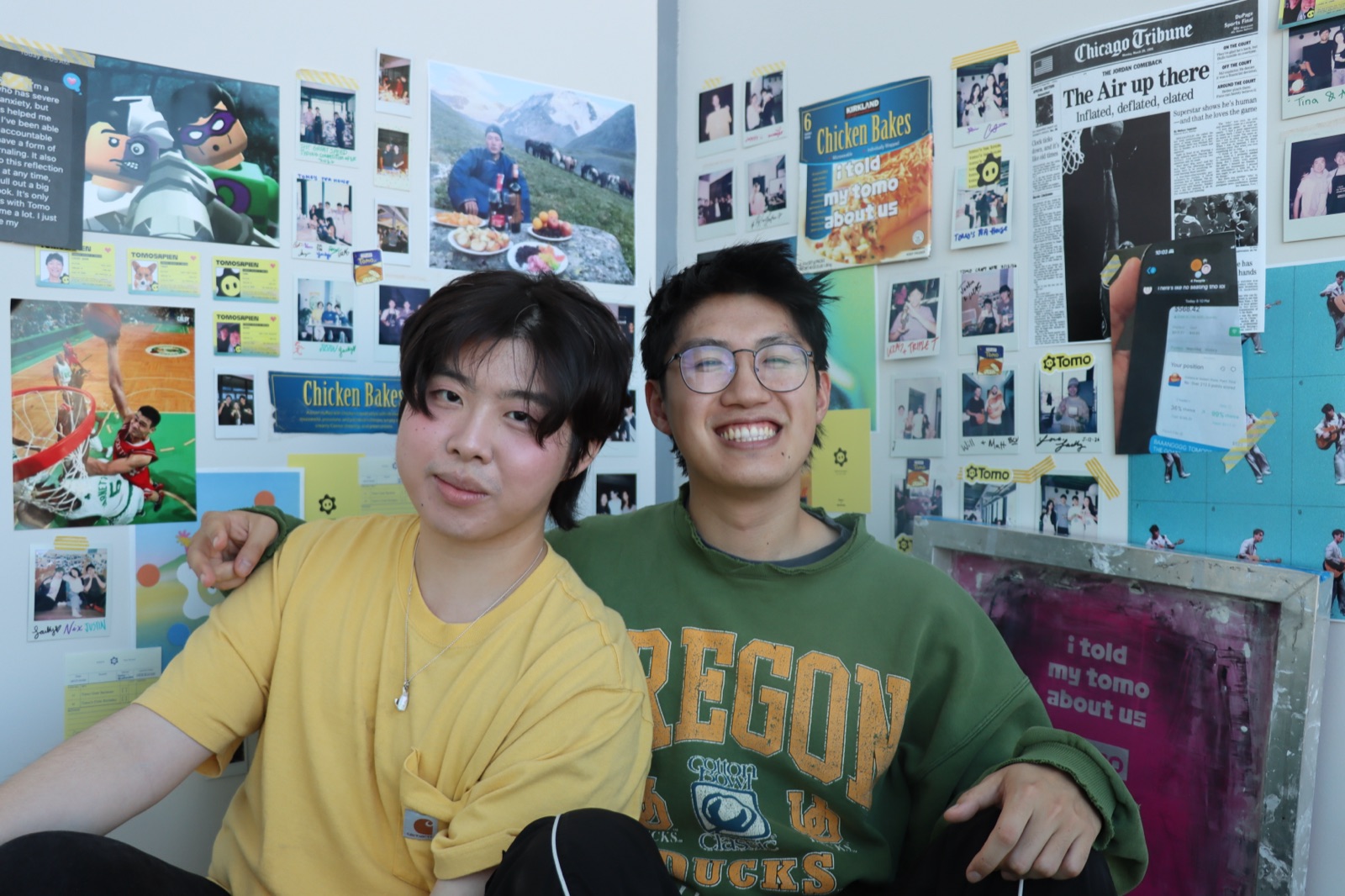
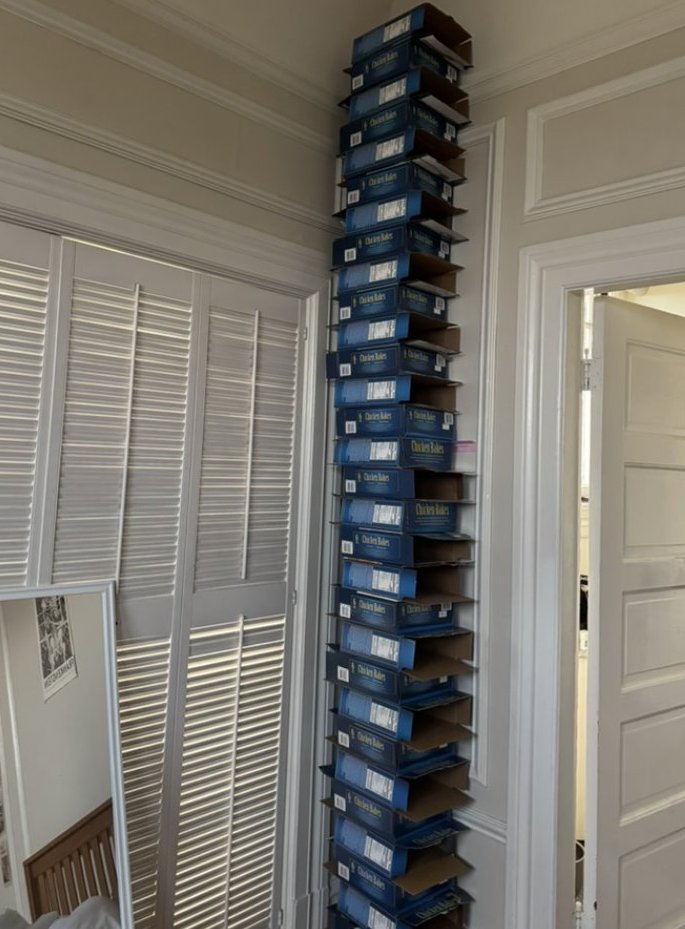
When I first met Justin Quan, the CEO of Tomo – to my great bewilderment, he showed me a picture of a ceiling-high tower of stacked Costco Chicken Bakes.
After leaving a forward-deployed engineer job at Retool to start a company, cutting into personal costs became a running joke: how many chicken bakes could one survive off of until the market wanted the product he was building?
Appallingly, 180 straight days of Costco Chicken Bakes.
At lunch last week, I noticed Justin (thank god) was finally eating a salad.
Despite the tongue-in-cheek company myth, the product Justin was working on – Tomo – now has over 10,000 regular users and freshly announced a $5M round led by Bain Capital Ventures. Tomo is a consumer AI application with the intention of helping consumers “bet on themselves,” providing accountability and support tracking their progress toward personal ambitions.
What goes on behind the scenes of a launch?
I spent the week of Tomo’s launch running around behind the scenes with Justin and launch partner Jacky Huang (@Jackyhuang), who runs Hard Launch: an agency that has helped buzzy companies like Haize Labs, Listen Labs, Eigen, General Intelligence Company, and Flora debut a public image out of stealth. He’s usually behind the curtains ushering founders toward more publicity, yet bashful about taking too much of the spotlight himself.
In previous essays, I’ve written that the best people create “them-shaped holes” inside of companies. Jacky is a good example. He runs Hard Launch as an independent company, and landed on a novel title within a venture firm, otherwise “Launcher in Residence” at Bain Capital Ventures (BCV).
“Mutual understanding of devotion,” is how Lucas Quan (@lucasquan) Justin’s brother, and a self described “growth obsessed designer” – at Hard Launch, would describe Jacky and Justin’s friendship. Justin and Jacky have had remarkably intertwined lives as longtime friends and first supporters of one another.
Both are young, unabashedly positive, and taking radical bets on themselves. Jacky frequently texts at 3 or 4 am in the morning long threads about launch logistics. I tell him to sleep more, baffled by his alien levels of energy. One time we stayed up in an office until midnight workshopping copy edits, and he was as chipper and bubbly as ever. You can tell this is only the first inning of his life’s work. Similarly, if you asked friends close to Justin they’d describe him as stubborn as a hound, hardworking to a fault.
An effect of being in Justin and Jacky’s orbit is becoming more ambitious by proxy.
One example: when thinking about new formats for my writing, Jacky is the first advocate for momentum. I often get in my head about craft and the slog required to get to artisan levels of quality. Jacky has taught me this doesn’t mean sacrificing speed and opportunity.
Creating an immersive world of events
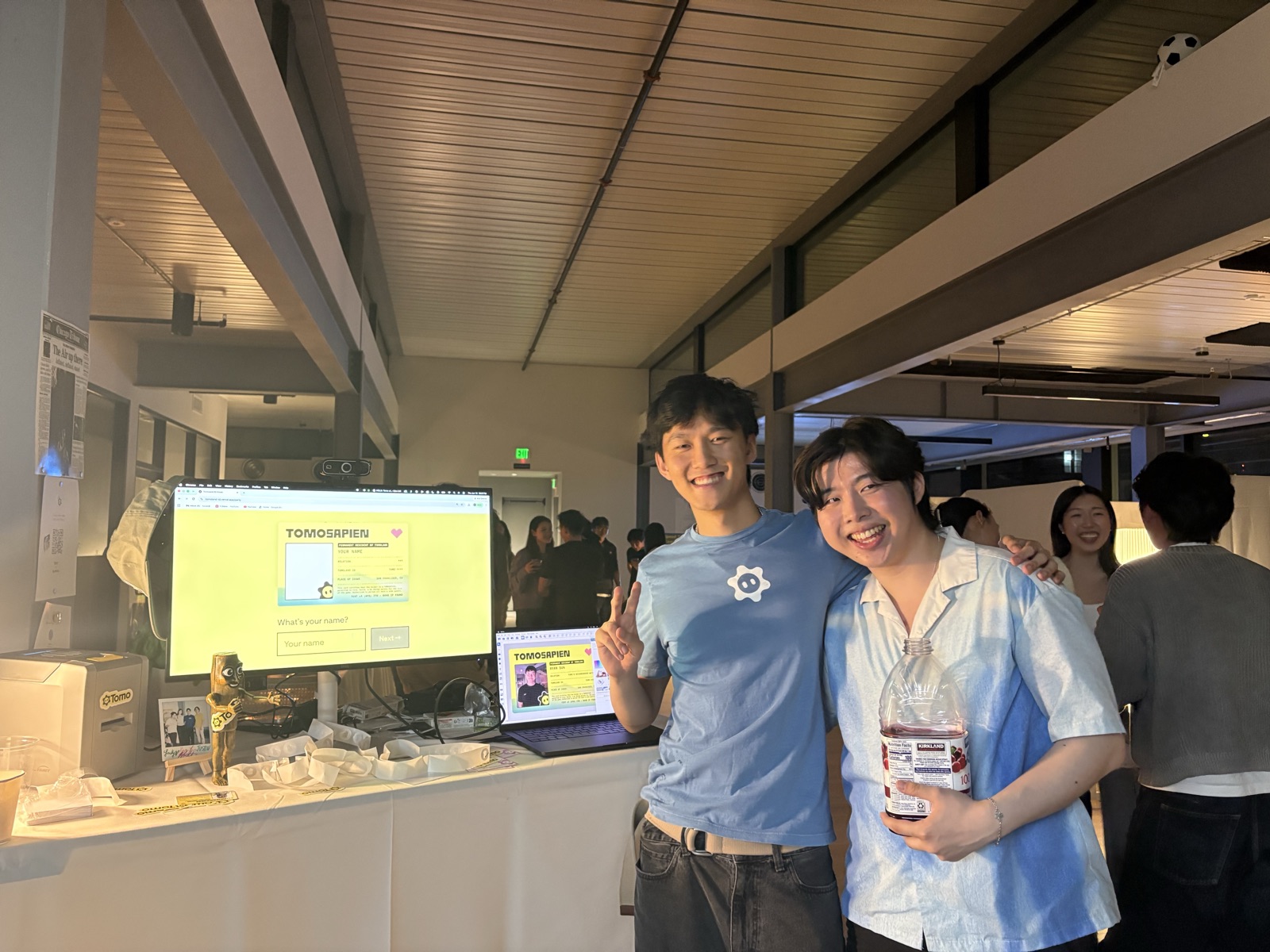
Successfully launching a company out of stealth, Jacky tells me, is to take someone on a journey of transformation. It’s to get people up the slope of belief, from the vantage point of someone already at the top of the hill. It’s a “primal tendency,” he describes, “to want to root for someone, to be part of something bigger than yourself.”
Jacky’s larger service is bringing people into an “immersive launch world,” as opposed to growth hacking metrics on X and LinkedIn.
As a layperson, watching and observing this is all of this is fascinating. A launch is part science, part art. There are many in person events, little virtual and physical ‘drops,’ in order to create a percolating sense that you’re “in on the secret.” Importantly, it matters who the founders are trying to reach with a launch - Jacky and the team get crystal clear on objectives and audience: hiring, customers, partners before executing.
Lucas tells me this mysterious launch process is bespoke, tailored to the spirit of the company. The Tomo team’s wider personality is quirky, whimsical, slightly sardonic, and humorous.
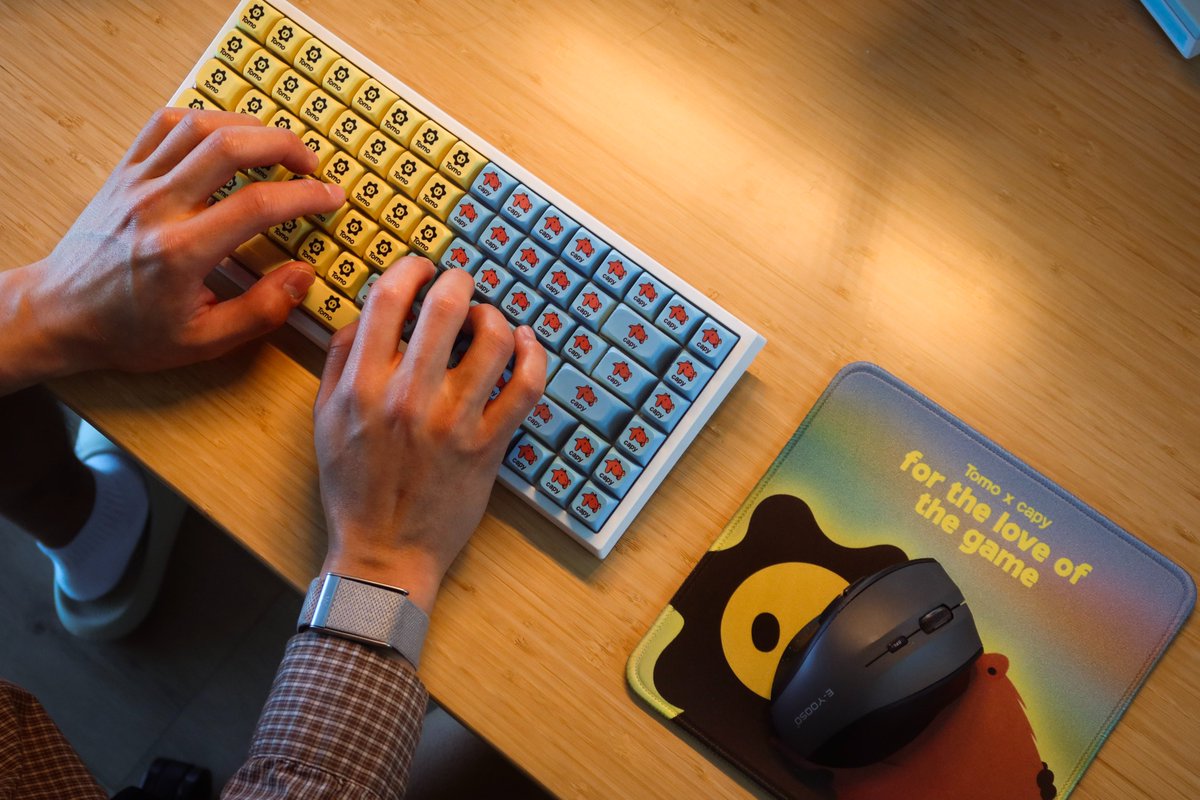
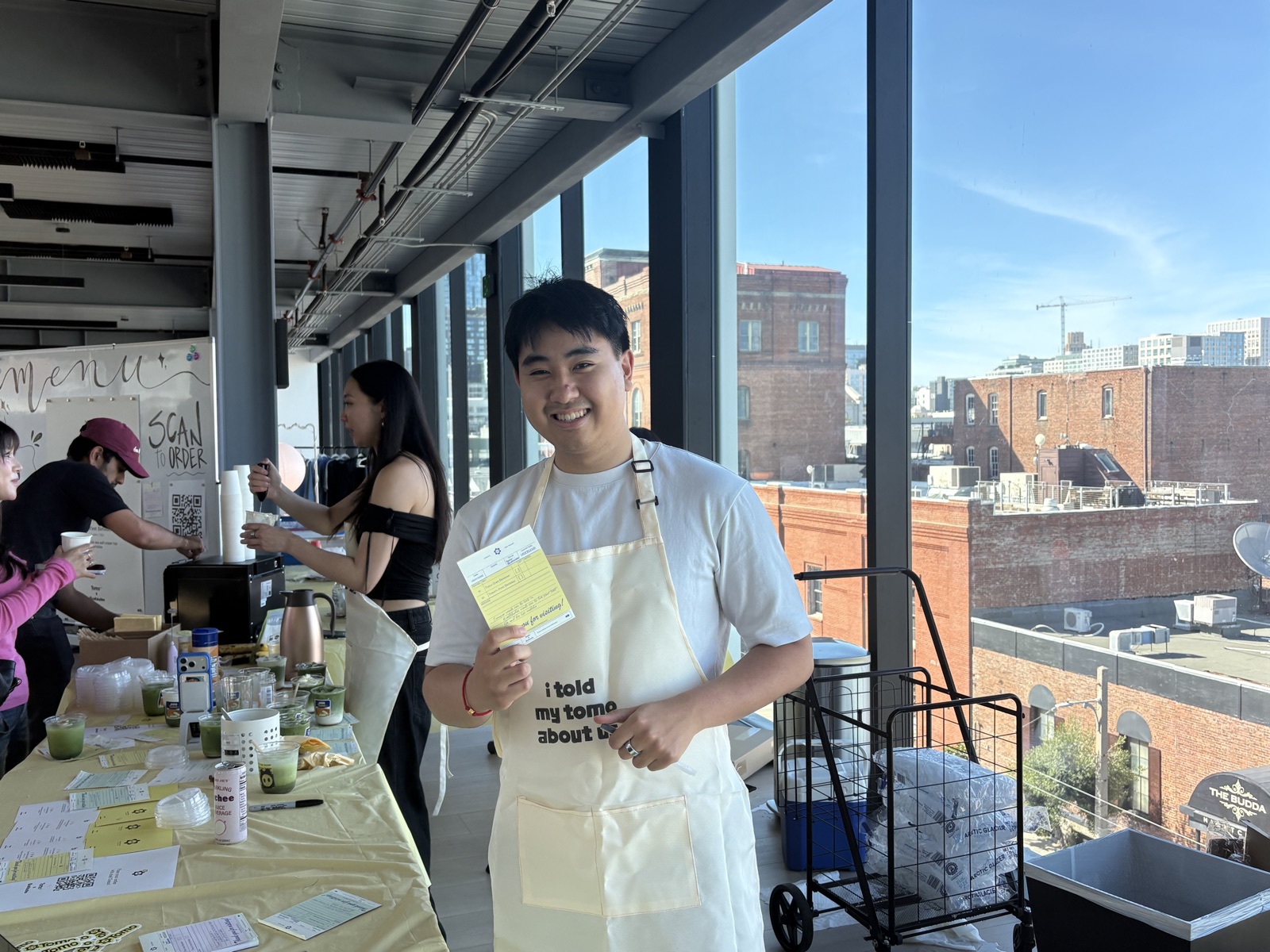
The launch reflected this, and was remarkably grassroots and physical, rather than catering to online appeal. They organized limited edition branded merchandise like custom screenprinted Goodwill finds, custom spring yellow keyboards, to fun hyperlocal experiences like Tomo’s San Francisco Matcha Cafe on Sunday, where I watched a huge swath of all walks of San Francisco swarm into Tomo’s Soma loft office, engineers donning aprons and matcha whisks.
The two companies co-built a full launch online portal colloquially called ‘Tomosapiens,’ — a UI reminiscent of Nintendo Wii’s homescreen.
All this whimsy is paired with serious business metrics. Launches land enterprise logos and demos with early and foundational customers - ListenLabs signed on enterprise demos, and others attributed the success of their launch to actual revenue.
Tomo texts first and practical uses of AI
“The San Francisco bubble is incredibly out of touch with regular people,” Justin comments.
Tomo’s customers are not the hyperoptimized, Obsidian-slinging, benchmark-maxxing Silicon Valley folk. They are people all around America who want to plan for future aspiring lives and want AI to help in very concrete, practical ways. Some genuine examples: Get to the gym more frequently. Help with structuring renovation planning.
“I’m internally motivated to a certain point,” one user told me. “Then I hit the wall. Using Tomo helps me get through that block.”
Tomo is acutely aware that consumer products can add to “cognitive surrender.” They pursue an opposite thesis – AI should provide scaffolding that helps you reach your goals – they’ve set up guardrails around a proactive sidekick that texts and checks in on you. It reminds you about the things that matter to you, and can even spin up custom mini-apps if it thinks it’ll help with your progress. Importantly, Tomo is made to be empathetic, but less deferential - it doesn’t give you what you want. It tells you to go outside and get involved in the real world and work on the very goals you’ve shared with it in the first place.
The consumer application world strikes me as a truthful arena. People either find magic in your product or churn. As I sat in on actual interviews with paying Tomo customers, the range across the types of customers was surprising. One sales leader from Doordash successfully lost 25 pounds texting Tomo. Another, a new mother, shared her secret dreams of a modern industrial kitchen and a home in the suburbs, a 4 month old baby giggling and burbling on the zoom screen.
The wider team is built of B2B engineers who have switched to consumer for the mission of everyday empowerment. Varun Nair (@nairvarun18), an engineer at Tomo, was previously a senior research engineer at Harvey, and believes iMessage, where Tomo mainly lives, is an “infinite surface” to create lasting personal change.
Raymond Chen (@raymondhechen), Tomo’s CTO, was recently at Retool and Anduril. Raymond points out one critical difference between his previous enterprise experience and building Tomo from the ground up: the sheer explosive volume of messages and activity. “Anything that normally is a rare edge case will 100% happen,” he tells me. Due to dependencies on infra providers causing issues, during the first month of Tomo’s existence Raymond and Justin alternated sleeping schedules to ensure that a human was awake 24/7 in case anything went down for users.
Radically bet on your friends, and yourself
The other north star they hold is betting on your friends for the long haul.
I liked this sentiment that @aadilpickle recently shared:
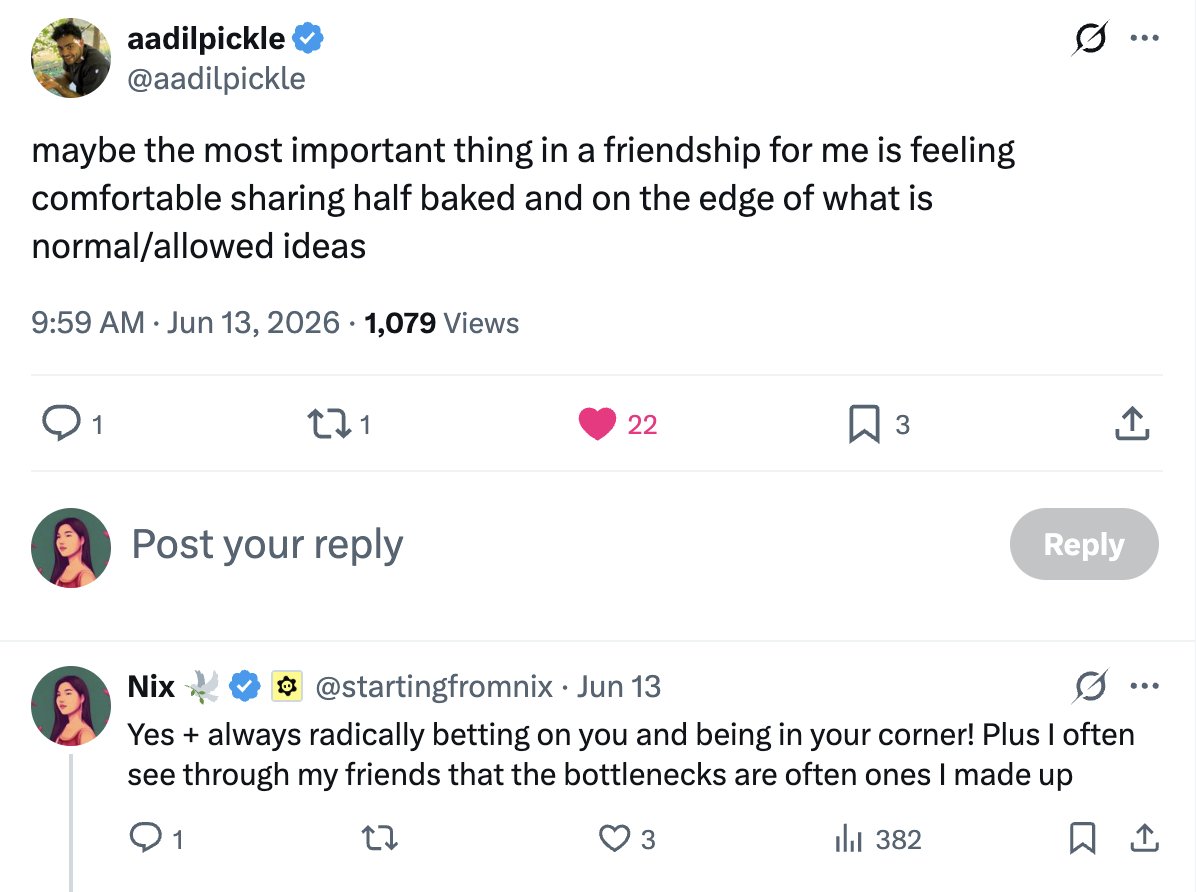
What’s fun about witnessing Justin and Jacky this week is how much they implicitly trust one another. Despite the chaos and late nights behind a launch, it’s evident that to each other, they act as a repository of hope and belief. One that can transcend moments of great disbelief, neuroticism and fear.
“Bet on yourself” is the underlying slogan that unites both Tomo and Hard Launch: continually helping humans explore and find the right path for themselves, then show the world what they are capable of.
Personal Takeaways on Launching out of Stealth
- Attention capture across different modalities: there are many formats that “work:” launch video, irl events like hackathons, parties, merchandise drops and giveaways - all are important to cementing a company in a certain time and place, and helps people feel included in something bigger than themselves. To customize the formats, however, requires understanding of brand, audience, and positioning vs competitors.
- Position for audience and target markets: Tomo is consumer and the founders are young and scrappy - their fun brand and events are very them and match audience ethos e.g., they hosted a speed typing competition and a SF-wide matcha cafe.
- Launches can be whimsical and fun, they are also tied to business metrics: actual demos, revenue, and hiring are the reasons to execute a well planned launch.
- Drink the Kool-aid! Perhaps my favorite part: everyone involved has to believe.
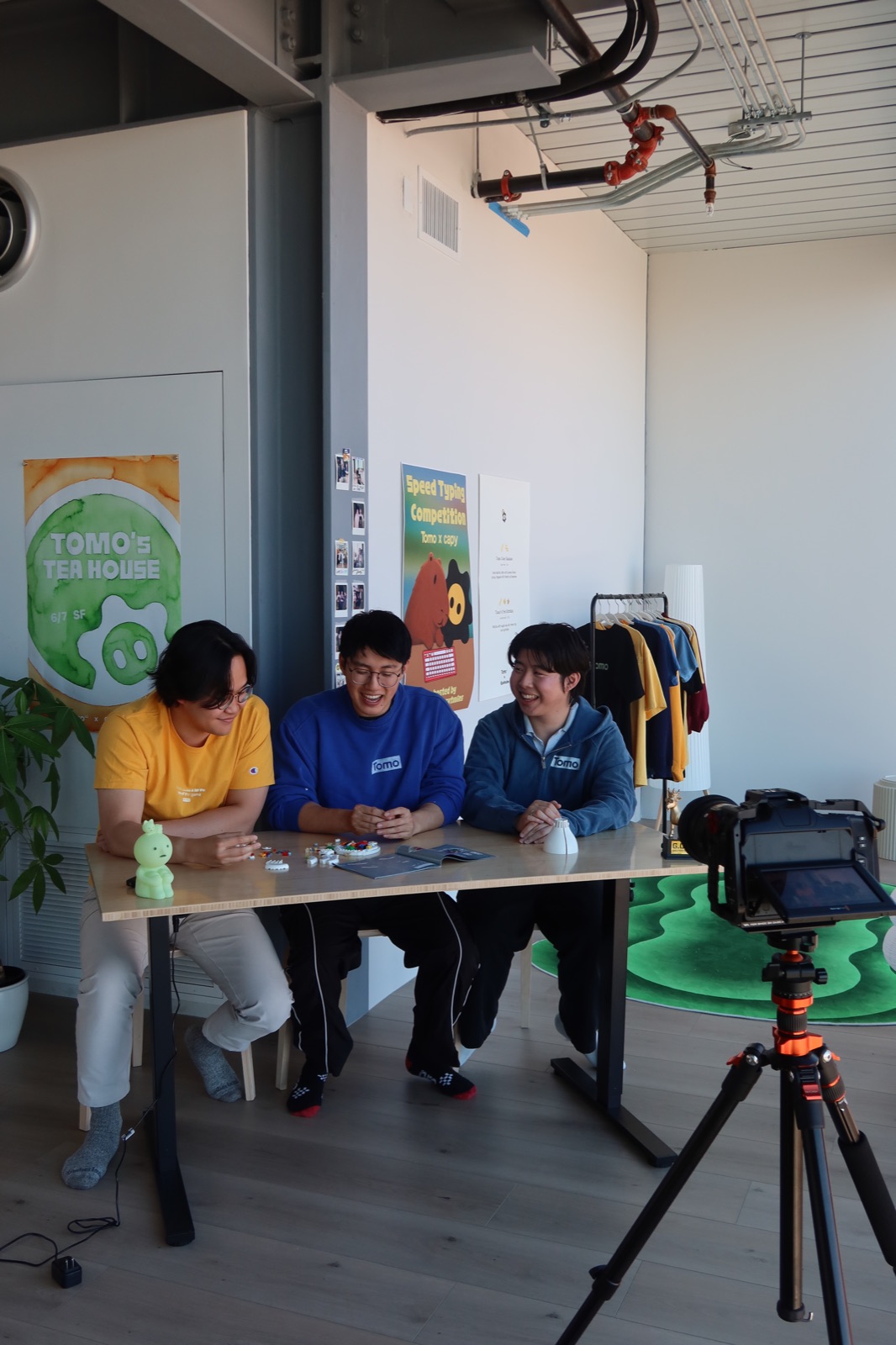
It was incredibly fun to see this magic unfold, and congrats on @tomo for launching!
If you liked this, give a shout to @justoutquan and @Jackyhuang for me.
This mini-essay is part of my “hanging out” series, short snappy behind-the-scenes of founders pursuing their life’s work.